Beyond the Show: The True History of Birmingham's Peaky Blinders
The name "Peaky Blinders" conjures images of sharp suits, illicit dealings, and a captivating struggle for power in post-World War I Birmingham. Thanks to the hugely popular BBC series, this distinct style and criminal underworld have become globally recognized. Yet, the television drama, while brilliant, is a fictionalized account. To truly understand the
Peaky Blinders, we must step back from the dramatic narratives and delve into the gritty realities of late 19th and early 20th-century Birmingham. This article will separate fact from fiction, exploring who the real
Peaky Blinders were, the truth behind their iconic image, and their ultimate fate in the annals of criminal history.
The Real Peaky Blinders: A Glimpse into Late 19th Century Birmingham
Forget the polished, strategic crime lords of the TV screen for a moment. The historical
Peaky Blinders were primarily a street gang that operated in Birmingham, England, predominantly from the 1880s through the early 1900s, with their name becoming a general term for gangs until the 1920s. They were largely composed of young, often unemployed men from lower- to working-class backgrounds, struggling amidst the industrial slums of areas like Small Heath.
Life in Birmingham's rapidly urbanizing landscape at the turn of the century was harsh. Overcrowding, poverty, and limited opportunities fueled a desperate environment where youth gangs found fertile ground. The
Peaky Blinders engaged in a range of criminal activities, far less grand than portrayed in fiction. Their repertoire included:
*
Petty Crimes: Street muggings, pickpocketing, and violent assaults were commonplace.
*
Territorial Disputes: Known as "land grabs," these often violent clashes with rival gangs, such as the "Sloggers" (a term for someone who could strike a heavy blow), were fought for control over specific districts.
*
Illegal Bookmaking and Gambling Control: While less sophisticated than the TV show suggests, they did exert influence over local gambling operations.
*
Racketeering and Extortion: Forcing businesses or individuals to pay for "protection."
*
Bribery: Attempts to compromise local law enforcement.
Their structure was less a sophisticated criminal empire and more a loose confederation of local toughs. Notable figures identified through police records, such as Thomas Gilbert (a convicted gang leader) and Harry Fowles (arrested for assault in 1904), reveal a reliance on brute force over strategic, large-scale operations.
The Iconic Style and the Name's True Origin
One of the most enduring images of the
Peaky Blinders is their distinctive fashion. The historical gang members did indeed cultivate a signature look, setting them apart from other working-class youths. Their attire typically included tailored jackets, lapelled overcoats, buttoned waistcoats, silk scarves, bell-bottom trousers, leather boots, and, crucially, flat caps. This sartorial elegance, especially for men from their socio-economic standing, made them stand out.
However, a popular and pervasive myth surrounding their appearance is the claim that members sewed razor blades into the peaks of their caps, using them as weapons. This idea, while incredibly dramatic, is largely folklore. Historical accounts and expert analysis debunk this myth for several reasons:
*
Anachronism: Disposable razor blades, as we know them, were a rare luxury item only beginning to emerge in the 1890s and weren't widely available or affordable enough for common use in this manner by street gangs.
*
Practicality: Attaching razor blades to a cap in a way that would make them an effective weapon, without also injuring the wearer, is highly impractical.
To dive deeper into this fascinating misconception, explore:
Razor Blades in Caps? Debunking the Peaky Blinders' Biggest Myth.
So, if not razor blades, where did the name "
Peaky Blinders" come from? Birmingham historian Carl Chinn, a leading authority on the subject, offers a compelling explanation. He suggests:
*
"Peaky": A straightforward reference to the peaked flat caps that were a staple of their attire.
*
"Blinder": A familiar Birmingham slang term, still in use today, to describe someone or something of dapper, striking, or impressive appearance. Thus, "Peaky Blinder" simply meant a well-dressed individual sporting a peaked cap.
Another theory, rooted in their criminal tactics, suggests they would pull their hat peaks down over victims' faces to obscure their vision during robberies, making it difficult to identify them. Others believe the caps' sharp, eye-obscuring style, or the gang's overall flashy dress, literally "blinded" onlookers with its ostentation. All these theories highlight the importance of their headwear and distinctive style.
For more on the fascinating etymology, read:
Peaky Blinders Name Origin: Fashion, Crime, and Birmingham Slang.
Territorial Scuffles and the Rise of New Powers
The
Peaky Blinders certainly engaged in fierce territorial battles. Their early dominance in parts of Birmingham was established through violent confrontations with rivals, including the aforementioned "Sloggers." For a period, they exerted significant influence over their localized territories, marked by frequent police records of stabbings and beatings. However, their "control" was more localized and fleeting than the expansive criminal network depicted in the series. They operated within a complex ecosystem of multiple gangs, all vying for turf in Birmingham's impoverished districts.
Their reign, or rather, their most active period, peaked in the 1890s and began to wane in the early 20th century. Several factors contributed to their decline and eventual dispersal:
*
Intensified Policing: Figures like Chief Constable Charles Horton Rafter implemented harsher tactics and increased police presence to curb gang violence.
*
Harsher Sentencing: Courts began imposing more severe penalties for gang-related crimes, acting as a deterrent.
*
Improving Social Conditions: Gradually, improving economic conditions and social reforms offered more legitimate opportunities for young men, reducing the appeal of gang life.
*
World War I: Many young men, including former gang members, enlisted in the armed forces, effectively scattering the group.
By the 1920s, the original
Peaky Blinders gang had largely disappeared. Their place was taken by larger, more organized, and truly powerful criminal syndicates. The most notable of these was the "Birmingham Boys," led by the formidable Billy Kimber. Kimber's gang represented a new breed of organized crime, with wider reach and more sophisticated operations, overshadowing the earlier, more localized street gangs. It was the Birmingham Boys and similar outfits that truly dominated the city's criminal underworld in the post-WWI era, rather than a romanticized version of the original "Peaky Blinders."
Legacy, Folklore, and the Power of Pop Culture
While the historical
Peaky Blinders were locally notorious for their violence, they were not uniquely powerful among Britain's urban gangs of the era. Their enduring legacy stems less from an unshakeable criminal empire and more from archival press accounts that documented their activities and trials. In fact, after the original gang faded, the name "
Peaky Blinders" became synonymous slang for any street gang in Birmingham, a testament to their striking impression on the public consciousness.
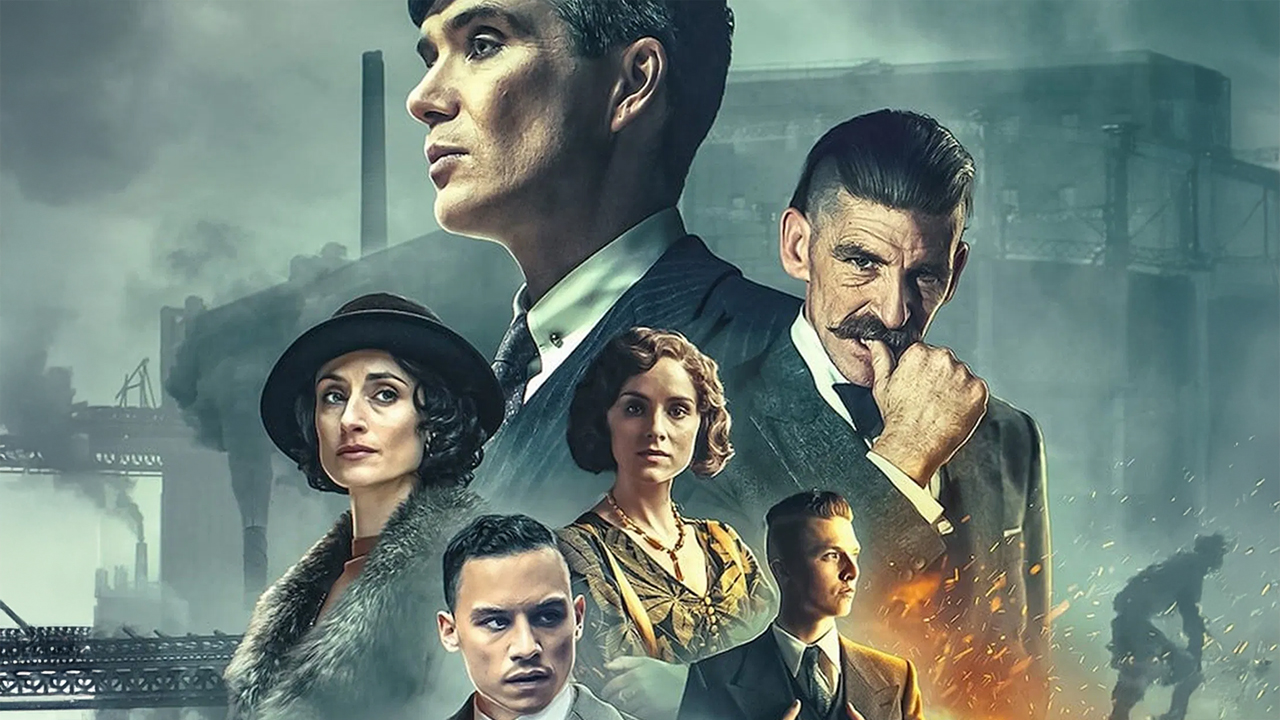
The true revitalization of the name, however, came in 2013 with the launch of the BBC Television series. The show, starring Cillian Murphy, Paul Anderson, Helen McCrory, and other talented actors, presented a compelling, albeit highly dramatized, crime story. It centers on a fictional crime family, the Shelbys, operating in Birmingham just after World War I. This period is notably *after* the original
Peaky Blinders gang had largely dissolved and been supplanted by groups like the Birmingham Boys. The series thus borrows the iconic aesthetic, the general setting, and the powerful name, but crafts an entirely new narrative that is far grander and more intricate than the historical reality.
The global success of the TV show has undeniably cemented the image of the
Peaky Blinders in modern culture. It has sparked immense interest in Birmingham's history and the social conditions of the time. While the show is a magnificent piece of entertainment, understanding the true history enriches the experience. It allows us to appreciate the compelling blend of fact and fiction, and to marvel at how the lives of a group of working-class toughs from a century ago could inspire such a powerful and enduring narrative.
In conclusion, the true history of the
Peaky Blinders is a fascinating window into the socio-economic challenges and burgeoning criminal underworld of Victorian and Edwardian Birmingham. They were a real street gang, defined by their distinctive style and localized violence, operating in a harsh urban landscape. While their story is less grand than the television epic, it is no less significant. By looking beyond the show's captivating drama, we uncover a raw, authentic piece of British history, reminding us that even the most stylized narratives often have their roots in a complex and often brutal past.