Razor Blades in Caps? Debunking the Peaky Blinders' Biggest Myth
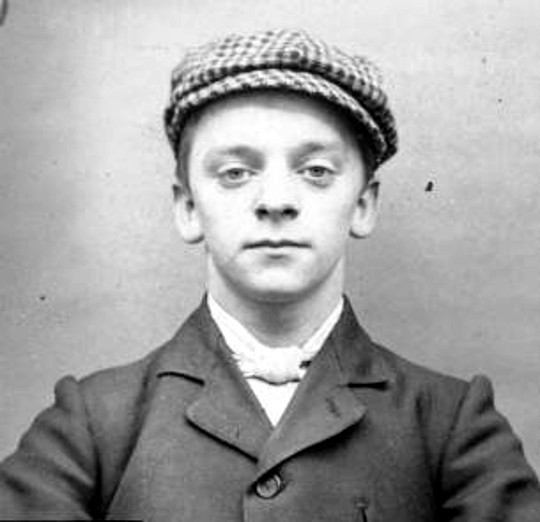
The image is iconic: a sharp-dressed figure, flat cap pulled low, radiating a menace that defines an era. For fans of the global phenomenon *Peaky Blinders*, the gang's signature look is instantly recognizable, and perhaps nothing is more ingrained in the popular imagination than the chilling myth of razor blades sewn into the peaks of their caps, ready to be deployed in a street brawl. This detail, vividly portrayed in the acclaimed BBC series, adds a visceral layer to the gang's notorious reputation. But how much truth lies behind this terrifying accessory? In this article, we'll dive deep into the history of the
Peaky Blinders to separate historical fact from dramatic fiction and uncover the real story behind their infamous headwear.
The romanticized brutality of the show often blurs the lines between reality and entertainment, and the razor-blade cap is arguably the most pervasive and fascinating embellishment. While the historical
Peaky Blinders were indeed a formidable and violent street gang operating in Birmingham, England, from the late 19th to early 20th century, the weaponized cap remains largely a product of folklore, popularized and amplified by the show's gripping narrative.
The Allure of the Peaky Blinders: Fact vs. Fiction
The BBC series *Peaky Blinders*, starring Cillian Murphy as the enigmatic Thomas Shelby, has captivated millions worldwide since its debut in 2013. It paints a compelling picture of a fictional crime family navigating the treacherous underworld of post-World War I Birmingham. This cinematic portrayal has undoubtedly cemented the gang's place in popular culture, creating a global fascination with their stylish attire, intricate criminal enterprises, and ruthless ambition.
Historically, the
Peaky Blinders were a real street gang, primarily composed of young criminals from lower- to working-class backgrounds. Operating from the 1880s through the 1920s, they engaged in a range of illicit activities including robbery, violence, racketeering, and illegal bookmaking. Their reign, though not as expansive or organized as depicted in the series, was marked by territorial disputes and clashes with rival gangs like the "Sloggers." What was truly striking, and accurately reflected in the show, was their distinctive sartorial elegance – tailored jackets, lapelled overcoats, silk scarves, and, of course, the ubiquitous flat cap. This careful attention to dress distinguished them from other gangs and projected an air of sophisticated menace. To delve deeper into their origins and impact, explore
Beyond the Show: The True History of Birmingham's Peaky Blinders.
Unpacking the Razor Blade Myth: The Historical Evidence
Let's address the elephant in the room directly: there is **no contemporary historical evidence** to suggest that the real
Peaky Blinders sewed razor blades into their caps. This popular notion, while adding a chilling layer to their legend, is overwhelmingly dismissed by historians and experts who have studied the gang.
The primary argument against the myth hinges on a crucial historical detail: the availability and practicality of disposable razor blades. In the late 19th and early 20th centuries, when the
Peaky Blinders were most active, disposable razors were a relatively new and expensive luxury item. They only began to emerge in the 1890s, making them highly unlikely to be a common or affordable weapon for young, impoverished gang members. Furthermore, even if accessible, sewing a fragile, non-folding razor blade into the peak of a cloth cap would be incredibly impractical for combat. It would be difficult to wield effectively without risking severe injury to the wearer's own hand or head during a struggle, and the blade would likely break or detach quickly.
Birmingham historian Carl Chinn, a leading authority on the
Peaky Blinders, emphatically debunks the razor blade theory. He suggests the name's origin lies elsewhere, focusing on the gang's appearance and criminal tactics. The term "peaky" referred to any flat cap with a peak, a common accessory among the working class. "Blinder," on the other hand, was a familiar Birmingham slang term used to describe something or someone of dazzling or dapper appearance – an acknowledgement of the gang's stylish dress. Another theory attributes "blinder" to their criminal behaviour: they were known to sneak up on victims, pull their cap peak down over their faces to obscure their vision, making it impossible to identify the assailants during a robbery. This tactical use of the cap, while less dramatic than razor blades, aligns more closely with their opportunistic petty crimes. For more insights into their unique nomenclature, check out
Peaky Blinders Name Origin: Fashion, Crime, and Birmingham Slang.
The True Purpose of the Iconic Flat Cap
If not a concealed weapon, what was the true significance of the flat cap for the
Peaky Blinders?
*
A Symbol of Identity and Unity: The flat cap was a staple of working-class attire in industrial Birmingham. By adopting it as a uniform element, the
Peaky Blinders created a visual identity that set them apart. It fostered a sense of belonging and projected a unified front, intimidating rivals and asserting their presence in their territories.
*
Obscuring Identity: As alluded to by historian Carl Chinn, the cap served a practical criminal purpose. Pulled low over the eyes, or deliberately forced down during an assault, it made it harder for victims or witnesses to get a clear look at their faces, aiding in their escape and hindering police investigations.
*
Fashion and Intimidation: Beyond practicality, the flat cap, when combined with their otherwise smart attire, contributed to their overall intimidating image. The "peaky" nature, worn at a deliberate angle, could give a menacing cast to their gaze, contributing to the "blinder" aspect in terms of dazzling or intimidating onlookers with their ostentation. The gang's emphasis on sharp dress, a stark contrast to the often squalid conditions of their environment, conveyed power and defiance.
*
A Common Accessory: It's important to remember that flat caps were not unique to the
Peaky Blinders. They were a pervasive item of clothing worn by men across all social classes, particularly the working class, throughout the UK during this period. The gang simply elevated its status to a symbol of their particular brand of street power.
Beyond the Blade: The Real Violence of the Peaky Blinders
While the razor blade myth may be fictional, it's crucial not to underestimate the genuine brutality of the historical
Peaky Blinders. Their violence was very real, even if the method romanticized in fiction was not. They engaged in frequent street muggings, pickpocketing, violent assaults, and bloody territorial clashes. Police records of the era document stabbings and beatings, painting a stark picture of a gang that relied on brute force and intimidation. Their notoriety stemmed from their willingness to engage in vicious acts of aggression against rivals like the "Sloggers" and to assert control over local gambling rackets. Their eventual decline was due to intensified policing efforts under figures like Chief Constable Charles Horton Rafter and the rise of more organized gangs, such as Billy Kimber's Birmingham Boys, rather than any softening of their methods.
Legacy and Lasting Impact: The Peaky Blinders Phenomenon
The historical
Peaky Blinders may have faded from active presence by the early 20th century, with many members either enlisting in World War I or facing stricter law enforcement. However, their name endured, becoming a slang term for any street gang in Birmingham. The television series, years later, resurrected their legend, cementing their place in global popular culture.
The enduring fascination with the
Peaky Blinders serves as a powerful reminder of how storytelling can shape and embellish history. The razor blade myth, while historically inaccurate, adds to the mystique and fear surrounding the gang, making their portrayal in fiction all the more compelling. It highlights the human tendency to create vivid, even exaggerated, narratives around figures who embody both danger and a certain rebellious allure. Ultimately, the real danger posed by the historical
Peaky Blinders wasn't a hidden blade in a cap, but the raw, unadorned violence and desperation born of the harsh economic and social conditions of industrial Birmingham. When engaging with historical fiction, it's always valuable to appreciate the drama while also seeking out the factual foundations that inspired it.
In conclusion, while the image of a razor-equipped cap is undeniably thrilling and a cornerstone of the *Peaky Blinders* TV series' appeal, historical evidence strongly indicates it's a dramatic embellishment rather than a genuine historical fact. The iconic flat cap was indeed a vital part of the gang's identity, serving as a symbol of their style, unity, and a practical tool for obscuring identity. The true legacy of the
Peaky Blinders lies in their violent control over parts of Birmingham's underworld, their distinctive fashion, and the enduring power of their name, a legacy that continues to captivate audiences worldwide, albeit sometimes through a prism of fiction.